When work happens on the move, technology must move with it. In warehouses, ports, factories, and outdoor yards,
JLT’s roots are in agriculture and forestry, where rugged computing first proved its value more than 30 years ago. Today, JLT devices support harvesters, forwarders, tractors, and field vehicles the digital backbone of modern farming operations. From GPS-guided harvesting and precision agriculture to real time crop data and equipment monitoring, JLT rugged computers deliver reliable performance in dust, vibration, and harsh weather helping farmers and forestry operators optimize productivity from the field to the supply chain.
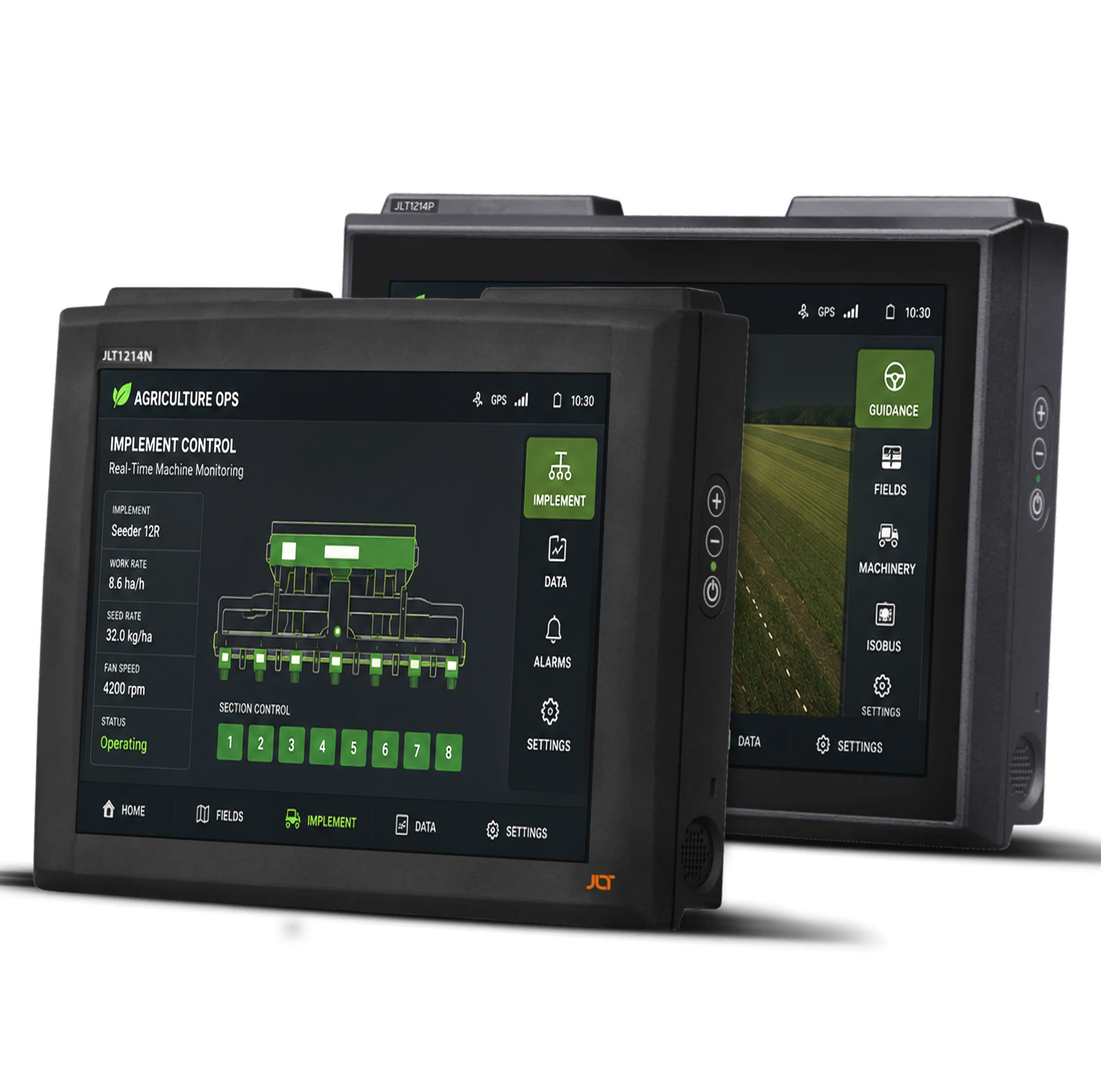
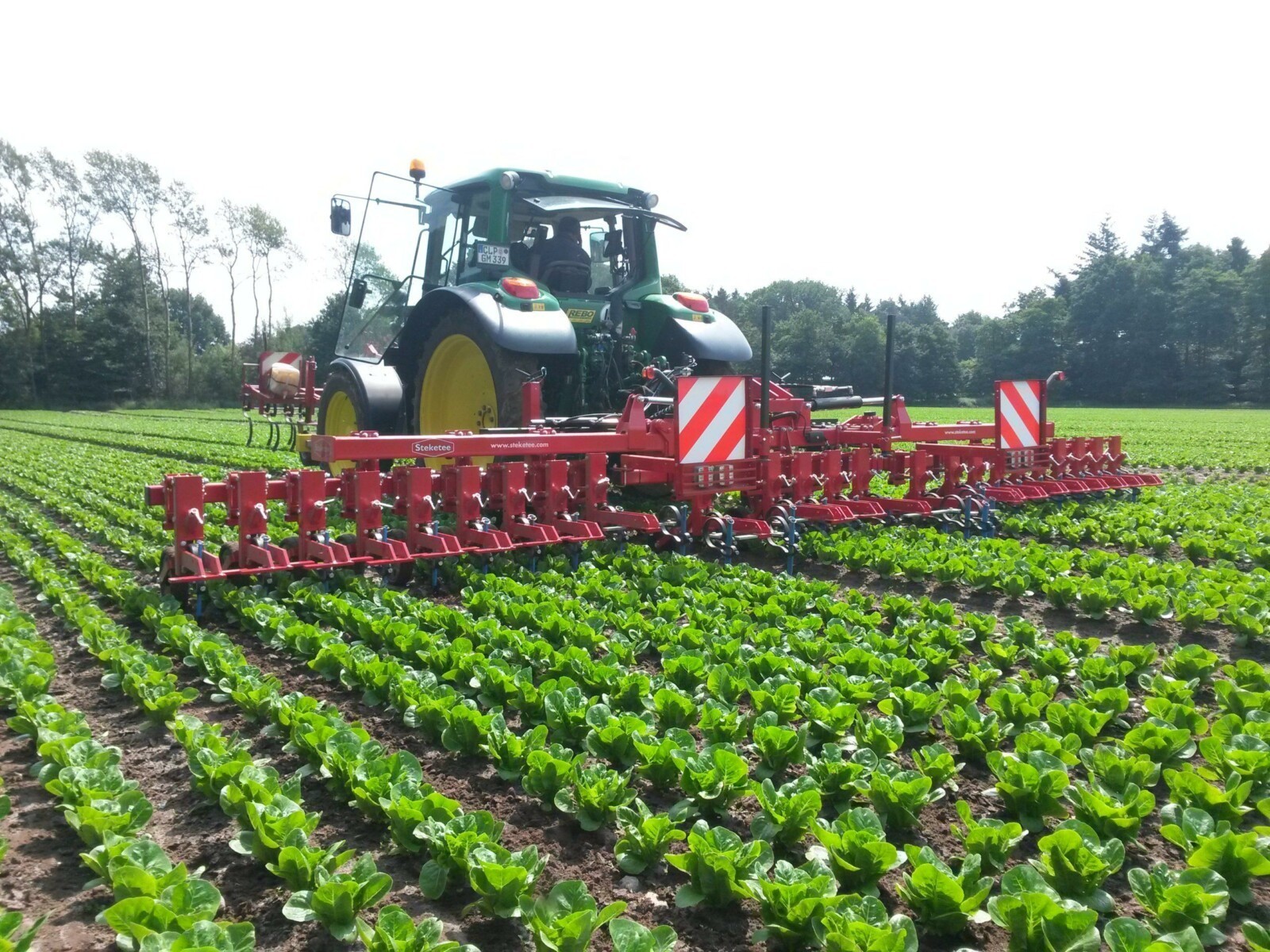
Modern farms rely on GPS-guided tractors and harvesting equipment to maximize efficiency and minimize waste. Rugged vehicle-mounted computers installed in tractors and harvesters provide operators with real-time access to precision agriculture software, field maps, and automated guidance systems. This enables accurate planting, fertilizing, and harvesting while reducing overlap, saving fuel, and improving crop yield.
During harvesting operations, rugged computers installed in harvesters allow operators to monitor crop yield, moisture levels, and harvesting performance in real time. Data collected directly from the field helps farmers optimize harvesting strategies, track productivity across fields, and make faster decisions on crop handling and storage.
Forestry equipment such as harvesters, forwarders, and logging trucks requires reliable computing systems to track timber harvesting activities. Rugged computers mounted in forestry machines provide operators with access to logging plans, tree measurement data, and timber tracking systems helping forestry teams manage harvesting operations, improve resource planning, and maintain traceability from forest to mill.
Agronomists, farm managers, and forestry supervisors often need to collect field data directly from remote locations. Rugged tablets allow teams to record crop conditions, soil data, pest observations, and forestry assessments while working outdoors. The data syncs directly with farm management systems, helping operators improve planning and decision-making across large agricultural operations.
Agricultural machinery operates long hours in demanding environments. Rugged computers installed in farm vehicles and forestry machines enable operators and maintenance teams to monitor engine performance, equipment diagnostics, and maintenance schedules. Early detection of mechanical issues helps prevent unexpected breakdowns and keeps critical farming and forestry equipment running during peak seasons.
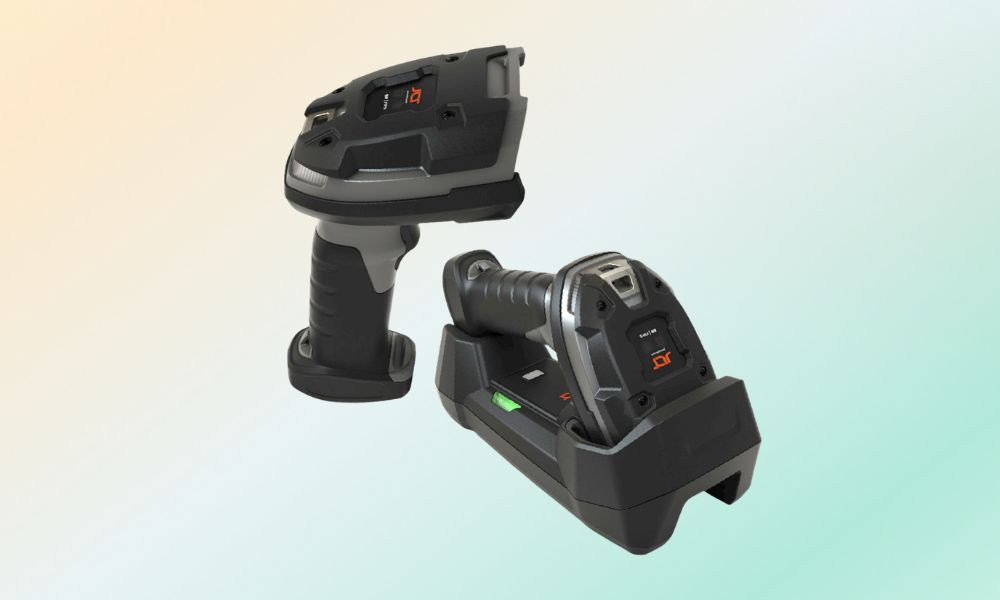
From fertilizer and seed inventory to harvested crops and timber loads, rugged handheld scanners and mobile computers help track materials across the agricultural supply chain. By capturing barcode or RFID data at storage sites, mills, and distribution points, farms and forestry operations gain real-time visibility into inventory levels and shipment status, improving logistics and reducing losses
Why leading companies choose JLT
Agricultural operations often require the same computing system across tractors, harvesters, and support vehicles. The JLT rugged vehicle-mounted computer features a flexible docking solution that allows devices to be easily moved between vehicles or removed after shifts for secure storage and simplified servicing. This flexibility helps farms deploy rugged agriculture computers where they’re needed most, maximizing equipment utilization while reducing hardware costs.
JLT rugged computers for agriculture support modern smart farming solutions, enabling farmers to collect and analyze real-time operational data directly from the field. Integrated GPS, wireless connectivity, and reliable computing performance allow operators to monitor equipment activity, optimize planting and harvesting workflows, and improve crop management decisions helping increase farm efficiency, reduce waste, and improve overall crop yield.
Agricultural machinery operates in environments filled with dust, vibration, moisture, and extreme temperature changes. JLT rugged agricultural computers are designed to withstand these conditions with IP65/IP66 protection against dust and water, high resistance to vibration, and sunlight-readable displays for outdoor use. With integrated Wi-Fi, 5G, WWAN, and GPS connectivity, these rugged devices deliver reliable performance for field operations where standard computers cannot survive.
JLT vehicle-mounted devices have the power and durability needed for tough environments, yet they are also simple to mount and remove. Service is simplified, and you have the flexibility to move them freely between tractors and remove them at the end of the working day to prevent theft.
We’re here to help and advise you on every aspect of rugged devices and industry data communications.
Please fill in the form and we will get back to you as soon as possible.
Insights and expertise from the world of rugged computing
When work happens on the move, technology must move with it. In warehouses, ports, factories, and outdoor yards,
Environmental testing standards help engineers, IT teams, and operations leaders understand how electronic equipment performs in real-world conditions.
“The compact format, high performance and great resistance to wear and tear makes the rugged PCs from JLT very suitable to our needs in precision agriculture,” comments Steketee’s R&D Director.
Insights and expertise from the world of rugged computing
When a forklift terminal loses connectivity mid-pick in cold storage, a port crane computer fails during peak vessel operations, or a plant floor device cracks under constant vibration, the cost is never the device—it’s the operational downtime, stalled workflow, missed SLA, and cascading disruption that follows every computing failure in an environment that cannot afford…
When an industrial operation deploys the wrong computing hardware—a consumer tablet in a cold storage facility, a standard laptop in a crane cab, or a generic device on a manufacturing floor—the failure is not a surprise. It is the predictable outcome of deploying technology never designed for the environment it is operating in. Rugged technology…
When a crane computer fails mid-lift at a container terminal, a reach stacker terminal loses connectivity during peak throughput, or a gate processing system goes down during vessel operations, the cost isn’t the device—it’s the stalled container movement, delayed vessel departure, cascading yard disruption, and TEU throughput loss that compounds with every minute down. Container…