
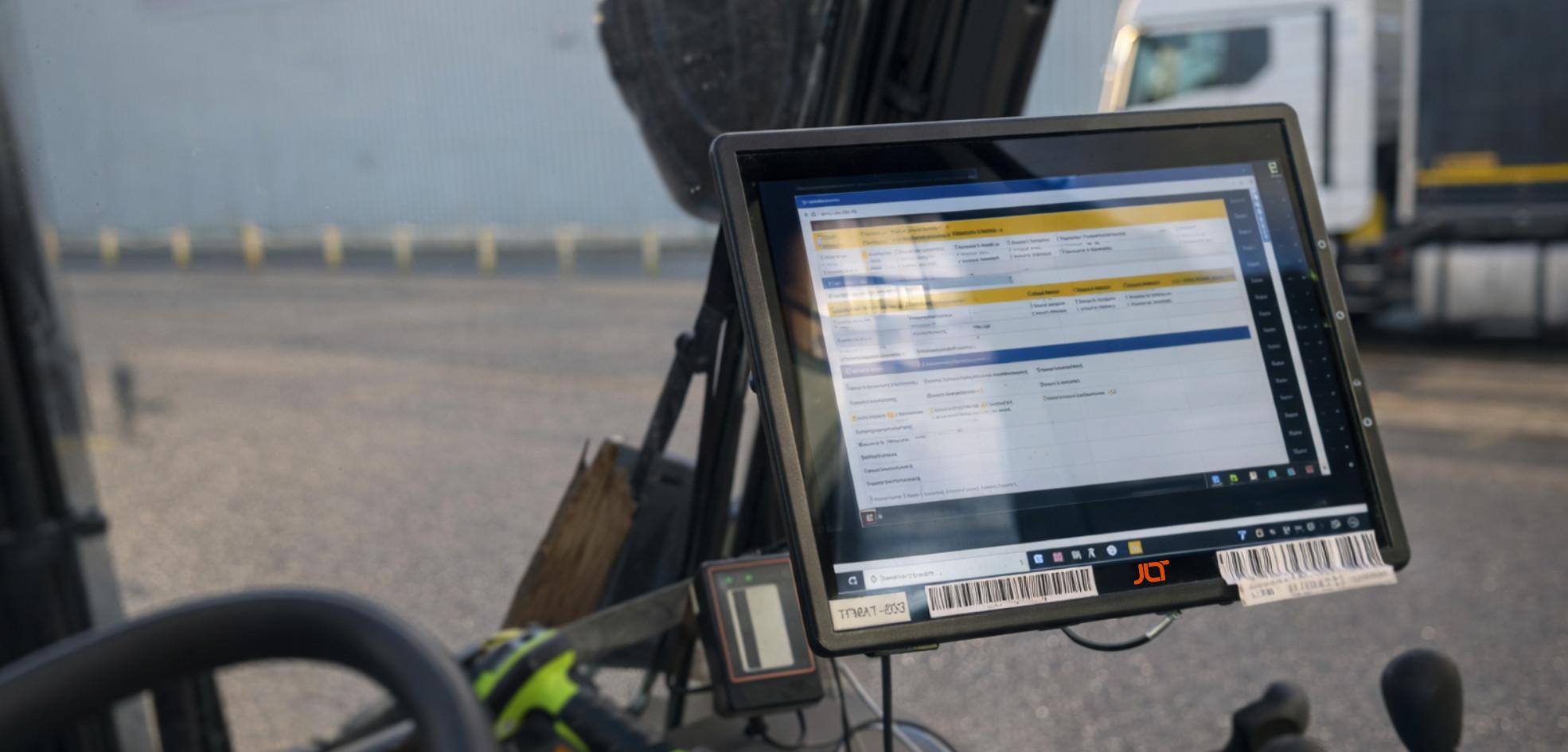
Environmental testing standards help engineers, IT teams, and operations leaders understand how electronic equipment performs in real-world conditions. From dust and water exposure to vibration and temperature extremes, these standards provide a common language for durability and reliability.
Among them, IP rating classifications are often referenced, but they are only one part of a broader testing ecosystem that also includes IEC and MIL standards.
This article explains how these standards work, where they differ, and why understanding them together leads to better equipment decisions in industrial environments.
Ip rating explained: ingress protection for dust and water
The IP rating system, set by the International Electrotechnical Commission (IEC), is used to classify how well an enclosure safeguards internal components from solids and liquid exposure. It is expressed as two digits, each representing a different type of protection.
-
What the ip code numbers mean
-
- First digit (solid protection): Indicates the degree of protection against solid objects, measured on a scale ranging from 0 to 6.
- Second digit (liquid protection): Rated from 0 to 9, this value shows how well the enclosure withstands water exposure, from light drips to powerful water jets.
-
For example, an enclosure rated IP65 is dust-tight and protected against water jets, while IP66 adds resistance to powerful water jets typically used in wash-down environments.
-
Why ip ratings matter in industrial settings
In warehouses, food processing plants, ports, and outdoor logistics environments, exposure to dust, moisture, and cleaning procedures is routine. An accurate understanding of IP classifications helps prevent premature failures caused by water ingress or particulate contamination.
However, an IP classification alone does not indicate how a device will perform under vibration, shock, or extreme temperatures. That limitation is why IP ratings are typically considered alongside other environmental standards.
Iec standards and their role in environmental testing
While IP codes are part of the IEC framework, broader IEC standards define how electronic equipment is tested under a range of environmental conditions. These standards focus on consistency and repeatability across global markets.
-
Common iec environmental tests
IEC standards may include testing for:
-
- Temperature cycling and thermal shock
- Humidity exposure
- Mechanical vibration
- Electrical safety and insulation
These tests help ensure that equipment performs reliably across different regions and use cases. IEC standards are particularly important for manufacturers distributing products internationally, as they provide a harmonized baseline for compliance.
-
Ip rating within the iec framework
The IP rating system is one of the most widely recognized outputs of IEC environmental testing. It offers a simple, comparable way to assess enclosure protection, but it should always be interpreted within the broader context of IEC-defined test conditions and limitations.
Mil standards: testing beyond typical commercial conditions
Military (MIL) standards, such as MIL-STD-810, are designed to evaluate equipment performance under extreme conditions. These tests often exceed what is encountered in standard commercial or industrial environments.
-
What mil testing covers
MIL standards may include exposure to:
-
- Severe vibration and shock
- Salt fog and corrosion
- Rapid altitude changes
- Extreme heat and cold
Unlike IEC testing, which focuses on standardization, MIL testing emphasizes survivability and operational continuity in harsh environments.
-
How mil and ip ratings differ
An IP rating measures enclosure protection against dust and water, but it does not evaluate mechanical stress or long-term durability. MIL standards fill that gap by testing how systems respond to sustained physical and environmental abuse. For industries such as mining, ports, and outdoor logistics, this distinction is critical.
Choosing the right standard for your environment
No single standard provides a complete picture of durability. Instead, environmental performance should be evaluated by combining multiple testing perspectives.
-
When ip ratings are most relevant
IP classifications are particularly useful when water exposure, wash-down procedures, or airborne dust are primary concerns. They provide a clear benchmark for ingress protection and are easy to compare across products.
-
When iec and mil testing add value
IEC and MIL standards become more important when equipment is exposed to vibration, temperature swings, or continuous operation in demanding environments such as transportation. Together, these standards help reduce operational risk and extend equipment service life.
How JLT supports environmentally tested computing
Understanding environmental standards is only the first step—applying them effectively requires expertise in real-world industrial conditions. JLT is a leading provider of rugged computing solutions for industrial environments, designing systems that perform reliably under extreme temperatures, vibration, moisture, and dust exposure.
JLT validates its computing solutions using a combination of IEC-based testing, ingress protection classifications, and additional environmental assessments tailored to demanding industrial applications.
Every component—from enclosure protection and thermal management to vibration resistance—is engineered to work together as a complete, dependable system, rather than as isolated specifications.
Final thoughts
Environmental testing standards help reduce uncertainty and improve equipment reliability in complex operating conditions. By understanding how IP ratings, IEC standards, and MIL specifications complement each other, organizations can make informed decisions based on real environmental risks rather than assumptions. JLT’s rugged computing solutions are built to endure vibration, extreme temperatures, moisture, and continuous operation, ensuring consistent performance in the harshest environments.
This standards-driven approach ensures consistent performance, minimizes downtime, and extends equipment service life.
Frequently asked questions (faqs)
1. What Does An IP Rating Mean For Industrial Equipment?
2. Is An IP Rating Enough To Evaluate Rugged Equipment Durability?
3. What Is The Difference Between IP65 And IP66 Ratings?
4. How Are IEC Standards Related To IP Ratings?
5. What Does MIL-STD Testing Add Beyond IP Ratings?
6. Which Industrial Environments Rely Most On IP Ratings?
7. Can Two Devices With The Same IP Rating Perform Differently In The Field?
8. How Does JLT Apply IP Ratings In Rugged Computing Solutions?
Learn how rugged computing solutions designed for demanding industrial environments can meet your environmental and durability requirements.