
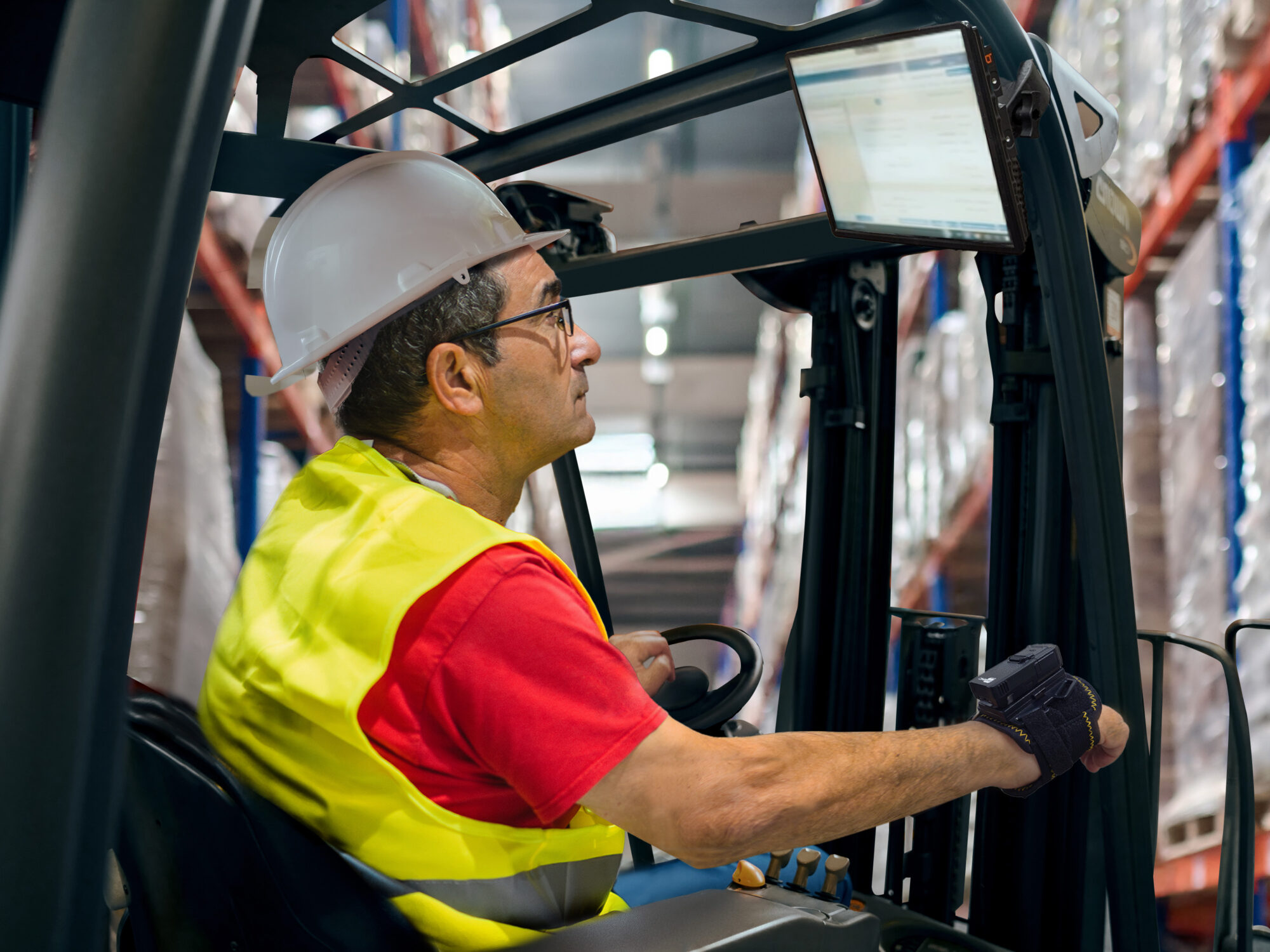
Industrial operations today depend heavily on speed, accuracy, and continuous connectivity. In environments where conditions are unpredictable, traditional systems often fail to deliver consistent performance. This is where rugged mobile computing becomes essential.
By enabling reliable access to data and applications in demanding conditions, these solutions help businesses maintain operational efficiency. Whether in warehouses, manufacturing plants, transportation environments, or field operations, mobility combined with durability plays a key role in modern workflows.
As industries move toward real-time decision-making, having technology that performs consistently under pressure is critical for long-term success.
What is rugged mobile computing?
Rugged mobile computing refers to the use of durable, portable devices designed to operate reliably in harsh industrial environments. These solutions allow workers to access data, communicate, and complete tasks while on the move.
Unlike traditional systems, they are built to handle physical stress, environmental exposure, and continuous usage. This makes them ideal for industries where standard devices cannot perform effectively.
Their primary goal is to combine mobility with reliability, ensuring that employees can stay connected and productive throughout their workday.
-
What defines these industrial computing solutions?
Durable mobile technology is defined by its ability to withstand challenging conditions while maintaining consistent performance.
These solutions typically include reinforced hardware, sealed enclosures, and components designed for long-term use. They are tested to operate under extreme temperatures, vibration, and exposure to dust or moisture.
This combination of durability and functionality helps devices perform reliably in demanding environments.
-
How is it different from consumer devices?
Consumer devices are designed primarily for controlled environments, whereas rugged solutions are built for industrial use.
They offer higher durability, longer service life, and better resistance to environmental factors. This makes them more reliable in situations where standard devices may experience damage or performance issues.
Additionally, industrial-grade systems can be optimized for business applications, ensuring seamless integration with operational software and workflows.
-
Where is it commonly used?
Industrial mobile systems are widely used across industries that require reliable performance in challenging conditions.
They are commonly deployed in logistics, manufacturing, warehousing, transportation, mining, agriculture, and field services. These environments demand technology that can operate continuously without unnecessary interruption.
By supporting mobility, these solutions help teams stay productive regardless of where work takes place.
Challenges in mobile industrial environments
Industrial environments present unique challenges that can impact device performance, connectivity, and usability.
Technology used in these settings must be able to withstand demanding physical conditions while supporting employees as they move between work areas.
-
What environmental factors impact devices?
Devices are often exposed to dust, moisture, extreme temperatures, vibration, and physical impact. These conditions can quickly damage standard systems that are not designed for industrial use.
Rugged solutions are engineered to withstand these challenges and maintain reliable performance, helping businesses reduce interruptions and equipment-related downtime.
-
How does mobility increase complexity?
Mobility introduces additional challenges, such as maintaining connectivity and ensuring consistent performance across different locations.
Devices must be capable of operating reliably while workers move between indoor and outdoor areas, vehicles, production zones, warehouses, and other workspaces.
Reliable wireless connectivity and appropriate hardware design help maintain access to critical applications and information.
-
Why is reliability critical?
Reliability ensures that operations can continue without unnecessary interruption. Device failures can lead to delays, increased costs, lost productivity, and difficulties accessing essential information.
Consistent performance is therefore essential for maintaining efficient workflows and supporting employees throughout their shifts.
Features of industrial mobile computing solutions
Understanding key features helps businesses select technology that matches their operational requirements.
The right combination of hardware, software, connectivity, and durability can improve productivity while supporting long-term performance in demanding environments.
-
What devices are included in these solutions?
These solutions can include tablets, handheld devices, vehicle-mounted computers, and other mobile systems designed for industrial environments.
Each device can be selected according to specific operational requirements, whether workers need a portable solution for field activities or a vehicle-mounted computer for warehouse and logistics workflows.
-
How does software integration impact performance?
Software integration plays a crucial role in ensuring smooth workflows.
Devices must work seamlessly with existing business systems and applications to enable real-time data access and communication. Efficient integration can improve productivity, reduce duplicate data entry, and minimize operational delays.
A well-integrated mobile solution also helps ensure that employees have access to consistent information across different stages of an operation.
How mobile technology improves productivity
Mobile technology can directly impact efficiency and performance across industrial operations.
By providing employees with access to information wherever work takes place, these solutions help reduce unnecessary movement, improve communication, and support faster decision-making.
-
How does it enable real-time data access?
Industrial mobile devices allow workers to access and update data instantly. This helps ensure that information remains accurate and current across connected systems.
Real-time access allows employees and supervisors to make faster decisions based on the latest operational information.
-
Can it reduce downtime?
Yes. Durable devices reduce the risk of hardware failure caused by drops, vibration, dust, moisture, and other environmental factors.
By supporting reliable operation in demanding conditions, they can help minimize disruptions and maintain consistent productivity.
-
How does it improve workforce efficiency?
By providing reliable tools directly where work takes place, mobile technology helps employees complete tasks more efficiently.
Improved communication and data access can lead to better coordination between teams. Workers can update information, access applications, and communicate with colleagues without repeatedly returning to fixed workstations.
This results in smoother and more productive operations.
How JLT mobile computers enables seamless mobility in industrial workflows
JLT Mobile Computers delivers solutions designed to support mobility in demanding industrial environments. Its devices combine durability, performance, and connectivity to support reliable operation.
With a focus on real-world usability, JLT helps businesses maintain productivity, reduce downtime, and improve workflow efficiency across operations.
JLT solutions are used in industries where performance and reliability are essential, including warehousing, transportation, manufacturing, ports, mining, and other demanding environments.
Conclusion
Industrial environments require technology that can perform reliably under challenging conditions. Traditional systems can fall short when employees need continuous access to data while working in demanding locations.
Rugged mobile solutions provide the durability, mobility, and performance needed to support modern industrial workflows. By enabling real-time access to data and improving communication, they help businesses operate more efficiently and reduce unnecessary disruptions.
Investing in reliable mobile technology is not just about improving individual processes—it is about building a foundation for long-term operational performance and productivity.