
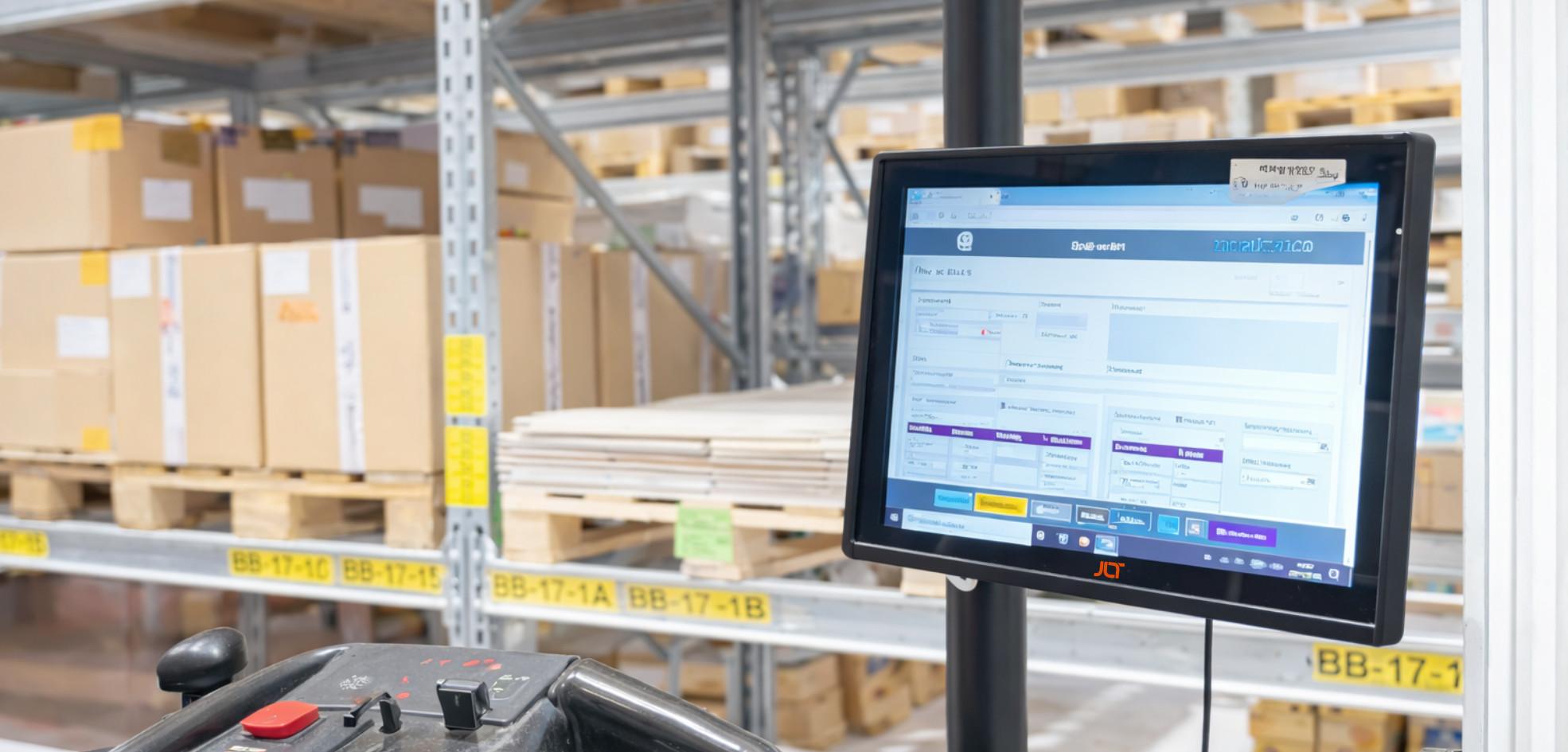
Industrial operations rarely happen in clean, climate-controlled offices. Warehouses, ports, manufacturing plants, cold storage facilities, and outdoor yards expose technology to conditions that are unpredictable, abrasive, and unforgiving. In these settings, industrial computers exist not to impress with raw specifications, but to remain reliable when environmental stress becomes the dominant factor.
Understanding how cold, heat, dust, vibration, and moisture affect computing hardware is essential for selecting systems that can sustain uptime, protect data integrity, and support continuous operations. This article explains how industrial environments shape computing design and why environmental fit matters as much as functional capability.
What makes industrial computing environments different?
Industrial computing environments are defined less by industry type and more by exposure. These environments consistently subject equipment to physical and environmental stressors that standard IT hardware is not designed to withstand.
Common characteristics include:
- Wide temperature fluctuations
- Continuous vibration or mechanical shock
- High dust or airborne particle concentration
- Moisture, condensation, or corrosive exposure
- Extended operating hours without downtime
Unlike office IT, industrial systems must perform reliably under multiple stress factors simultaneously. This is why industrial computers are engineered with environmental resilience as a foundational requirement rather than an optional enhancement.
See how JLT Mobile Computers designs and delivers industrial computers, tablets, and vehicle-mounted systems engineered to operate reliably in harsh environments.
Why environmental conditions shape industrial computers
Processing power, memory, and storage capacity are only meaningful when a system can function reliably in its intended setting. In industrial operations, environmental conditions dictate how hardware must be designed, assembled, and tested.
For example:
- A high-performance processor is ineffective if thermal buildup causes throttling or failure
- Spinning storage media can become a liability in vibration-intensive environments
- Active cooling systems can introduce additional dust-ingress risks in particulate-heavy facilities
Rather than starting with performance targets alone, industrial system design begins with environmental realities. Hardware specifications are selected as a response to operating conditions, not in isolation from them.
Temperature extremes: operating in heat and cold
Temperature is one of the most persistent threats to electronic reliability. Excessive heat accelerates component degradation, while extreme cold can affect display performance, battery chemistry, and material resilience.
Industrial systems designed for temperature extremes typically incorporate:
- Wide-temperature electronic components
- Fanless thermal designs using conduction cooling
- Enclosures engineered to dissipate heat without relying on airflow
Cold environments, such as freezer warehouses and outdoor yards, introduce additional challenges, including condensation during temperature transitions. Systems intended for these environments must maintain stability across repeated thermal cycles without compromising performance.
Dust, debris, and airborne contaminants
Dust is not simply a cosmetic issue in industrial environments. Fine particles can infiltrate cooling systems, abrade connectors, and create conductive paths that contribute to electrical failure.
To mitigate these risks, industrial computing platforms often rely on:
- Fully sealed or gasketed enclosures
- Fanless architectures that eliminate unnecessary airflow paths
- Ruggedized connectors designed to resist contamination
Facilities such as manufacturing plants, ports, and processing centers place particular emphasis on ingress protection because airborne exposure can be constant rather than occasional.
Vibration and mechanical shock in moving operations
Vibration is one of the most underestimated causes of electronic failure. Unlike sudden shock, vibration is cumulative, gradually loosening connections and degrading internal components over time.
High-risk environments include:
- Vehicle-based operations
- Material-handling equipment
- Port terminals and logistics yards
Industrial systems designed for these conditions can rely on solid-state storage, reinforced housings, and mechanically secured internal components. Connectors, mounting solutions, and cable retention also need to be engineered for continuous movement to reduce the risk of signal loss or physical damage.
Moisture, humidity, and corrosive exposure
Humidity and moisture introduce long-term risks that are often invisible until failure occurs. Condensation, corrosion, and oxidation can degrade circuitry and connectors, particularly in outdoor or coastal environments.
Protective measures commonly include:
- Sealed enclosures with appropriate pressure equalization
- Corrosion-resistant materials
- Protective coatings on internal electronics
In food processing, cold storage, and outdoor logistics, moisture resistance can be just as important as temperature tolerance.
Standards, ratings, and testing that matter
Certifications and test standards help verify that industrial computing systems can perform under defined environmental conditions. They provide useful reference points for buyers comparing systems against established benchmarks.
Common areas of validation include:
- Ingress Protection (IP) ratings, which indicate resistance to dust and water exposure
- NEMA enclosure classifications, which are commonly used in North American industrial environments to define levels of environmental protection
- Vibration and shock testing, based on recognized testing methodologies and standards relevant to industrial applications
While datasheets may list performance specifications, environmental testing helps determine whether a system can maintain those specifications under defined operating stresses. In industrial deployments, validated durability can be more meaningful than peak performance figures alone.
Vehicle-based environments: where multiple stressors converge
Vehicle-mounted operations combine vibration, temperature variation, electrical noise, and continuous use into a single environment. These conditions demand specialized engineering beyond general ruggedization.
Industrial computers used in vehicles are typically designed for:
- Continuous power from vehicle electrical systems
- High vibration resistance
- Extended operating periods
- Secure mounting and connector retention
Because vehicles combine multiple environmental risks at once, they represent one of the most demanding industrial computing scenarios.
Addressing these compounded challenges requires more than generic ruggedization. Different industries face distinct combinations of stress factors that demand solutions designed around their specific operating conditions.
Environmental engineering and the role of JLT mobile computers
Within the industrial computing field, JLT Mobile Computers has built its expertise around environments where reliability is non-negotiable. With decades of experience, JLT focuses on rugged computing systems engineered for demanding operational settings and continuous industrial use.
JLT’s approach emphasizes:
- Engineering systems around real operating conditions
- Long product lifecycles aligned with industrial IT strategies
- Hardware validated through extensive testing rather than theoretical specifications
Across its portfolio of rugged computers, tablets, and handheld devices, JLT applies these engineering principles to support different industrial workflows. Each form factor is designed to meet specific operational requirements without prioritizing one deployment model over another.
Why environmental fit determines long-term ROI
In industrial operations, the true cost of computing is measured in downtime, service disruptions, and replacement cycles. Systems that fail because of environmental mismatch can incur costs far beyond the initial hardware investment.
Selecting computing solutions that align with environmental realities can result in:
- Reduced maintenance and replacement frequency
- Improved operational continuity
- Lower total cost of ownership over time
Reliability, in industrial contexts, is not simply a feature. It is a requirement.
Designing for reality, not ideal conditions
Industrial environments are inherently challenging for electronics. Success depends not only on pushing performance limits, but on engineering systems that can operate reliably where work actually happens.
By understanding how cold, heat, dust, vibration, and moisture affect computing hardware, organizations can make informed decisions that protect operations and sustain productivity over the long term.
This design philosophy is reflected in industrial computing systems built by JLT Mobile Computers. Our devices are engineered around real operating constraints rather than idealized lab conditions, helping them deliver reliable performance in demanding environments.
Have questions about industrial computing? Our team is ready to help.