
One of the most recognized names in American packaged meat and food production operates high-speed canning and packaging lines where computer availability is not a preference — it is a production requirement. From packaging and labeling stations where terminals are kitted alongside printers, scales, and scanners, to freezer cold-chain environments, WIP mixing stations, and forklift operations tracking finished-goods movement, the JLT1214N is the standardized computing platform across the operation. The company has been running JLT hardware for over ten years — and deliberately deferred a refresh for that entire period because the platform kept performing.
Why this food processor chose JLT – and stayed
Standardized longevity via home-grown software
The JLT1214N was selected for a combination of reasons that reflect both the physical demands of food processing environments and the operational philosophy of a business that measures technology value in decades, not years. Lifecycle longevity was the single most important criterion. The company’s business model calls for long service life from its computing hardware, and the JLT1214N delivered — deferring a refresh for more than ten years while continuing to run production-critical workflows without interruption.
The power of custom imaging
JLT’s consulting and imaging expertise was integral to winning and sustaining the account. JLT developed a custom, customer-specific device image that is completely locked down to ensure each terminal runs only its intended applications. Providing a highly secure device right out of the box protected the integrity of production workflows, prevented unauthorized software installation, and eliminated a massive IT support burden across a large, distributed production environment.
Glass-containing touchscreens for food safety
The resistive touchscreen was a deliberate and specific choice. In a food processing environment where screen impact damage is a real risk, a resistive display is preferred because it contains glass shards should the screen be damaged — an important safety and food safety consideration that capacitive screens cannot match. The screen’s ability to operate with gloves is equally important across production, cold storage, and forklift applications where protective handwear is standard.
“The operational speed of our canning and packaging lines is such that having a computer that is reliable and always available is a non-negotiable priority. JLT’s wireless performance in our production environment — where we generate a lot of RF noise — has been exceptional.”
Built for the noise, heat, and demands of food production
High-speed canning and packaging lines generate significant RF noise — a challenging environment for wireless-dependent computing hardware. The JLT1214N’s wireless performance under these conditions was a key factor in its selection and a consistent strength throughout the deployment. Dropped connections mid-production are not simply an inconvenience; they stop a line. JLT’s rugged antenna design and wireless architecture handle the interference levels generated by industrial production equipment in a way that general-purpose or lightly rugged alternatives consistently fail to match.
The single-piece rugged construction of the JLT1214N directly reduces the failure points associated with computers that require docks or cradle assemblies. In a food processing environment, this matters for two reasons: reliability (fewer connection interfaces means fewer failure points) and chemical resistance. The casework is resistant to caustic materials encountered in food production — including environments where pickle brine, cleaning agents, and acidic processing byproducts are present.
Form factor also played a role in the selection. Many JLT1214N installations are part of kits that integrate the terminal with printers, scales, and scanners in cabinet configurations. The compact size of the JLT1214N allows it to share that physical space without compromise — a practical advantage that a larger or less purpose-built device cannot always accommodate.
| 10+
YEARS WITHOUT A PLATFORM REFRESH |
4
DISTINCT DEPLOYMENT ENVIRONMENTS |
Tier 1
SELF-MAINTAINER PROGRAM |
Resistive
GLASS-CONTAINING TOUCHSCREEN |
Where the jlt1214n is deployed
| 🏷️ PACKAGING & LABELING
JLT1214N units are deployed as part of integrated kits combining the terminal with printers, scales, and scanners — supporting labeling, weighing, scanning, and packaging workflows from a single compact installation. The JLT’s form factor makes it viable in cabinet configurations where space is shared with other equipment. |
🧪 MIXING STATIONS (WIP)
At work-in-progress mixing stations, the JLT1214N is used for recording and processing production instructions and guidelines — giving operators accurate, real-time instructions at the point of production and maintaining the traceability records that food safety compliance requires. |
| ❄️ COLD CHAIN & FREEZER APPLICATIONS
Select plant locations use the heater-equipped version of the JLT1214N for freezer and cold chain applications. The heated display actively prevents condensation and icing as terminals move between temperature zones — keeping the screen clear and readable throughout operations in sub-zero environments. |
🚜 FORKLIFT / FINISHED GOODS
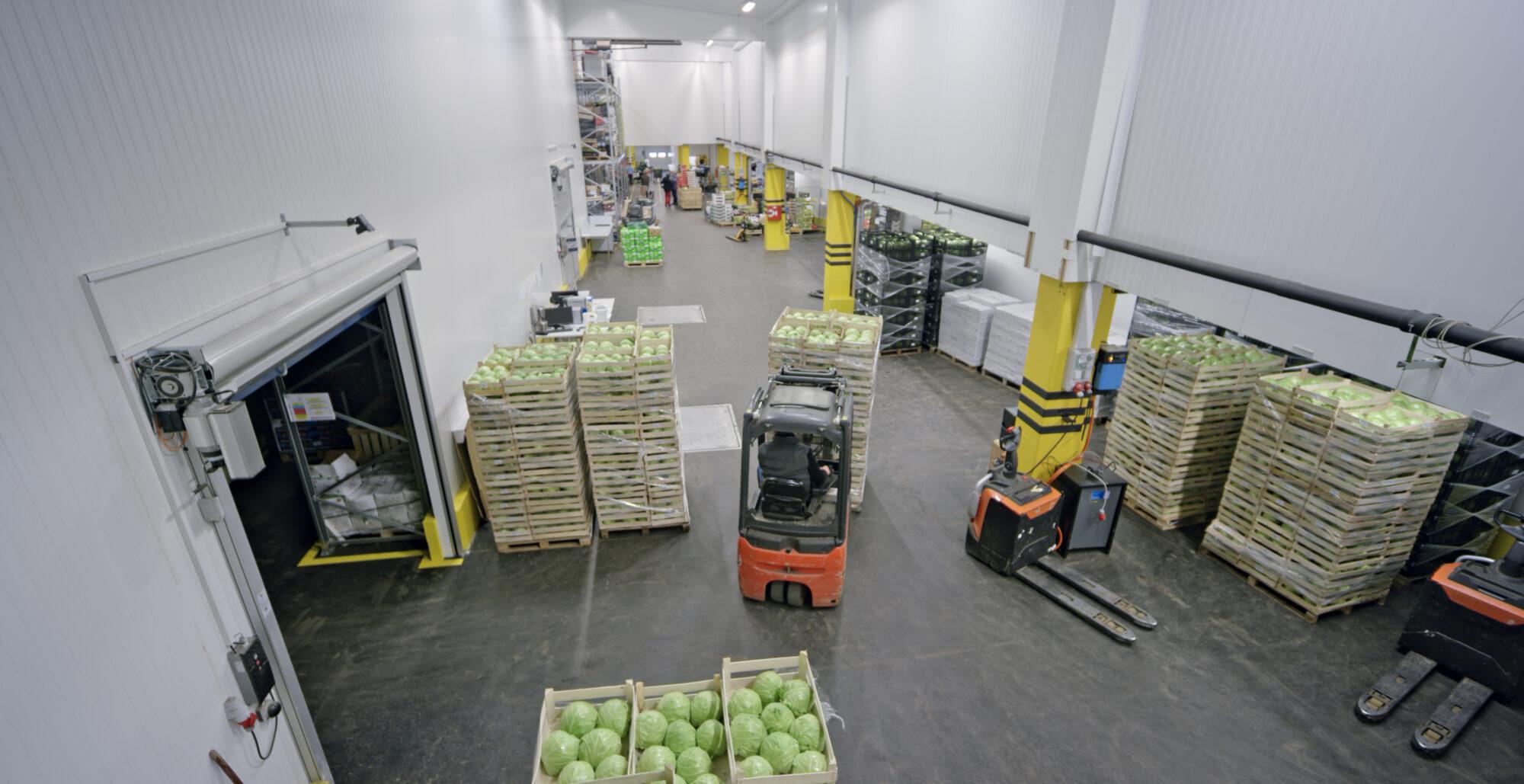
On forklifts, the JLT1214N is used for loading and tracking product movement to finished goods storage locations — maintaining real-time inventory accuracy and ensuring every pallet movement is logged and traceable in the warehouse management system. |