
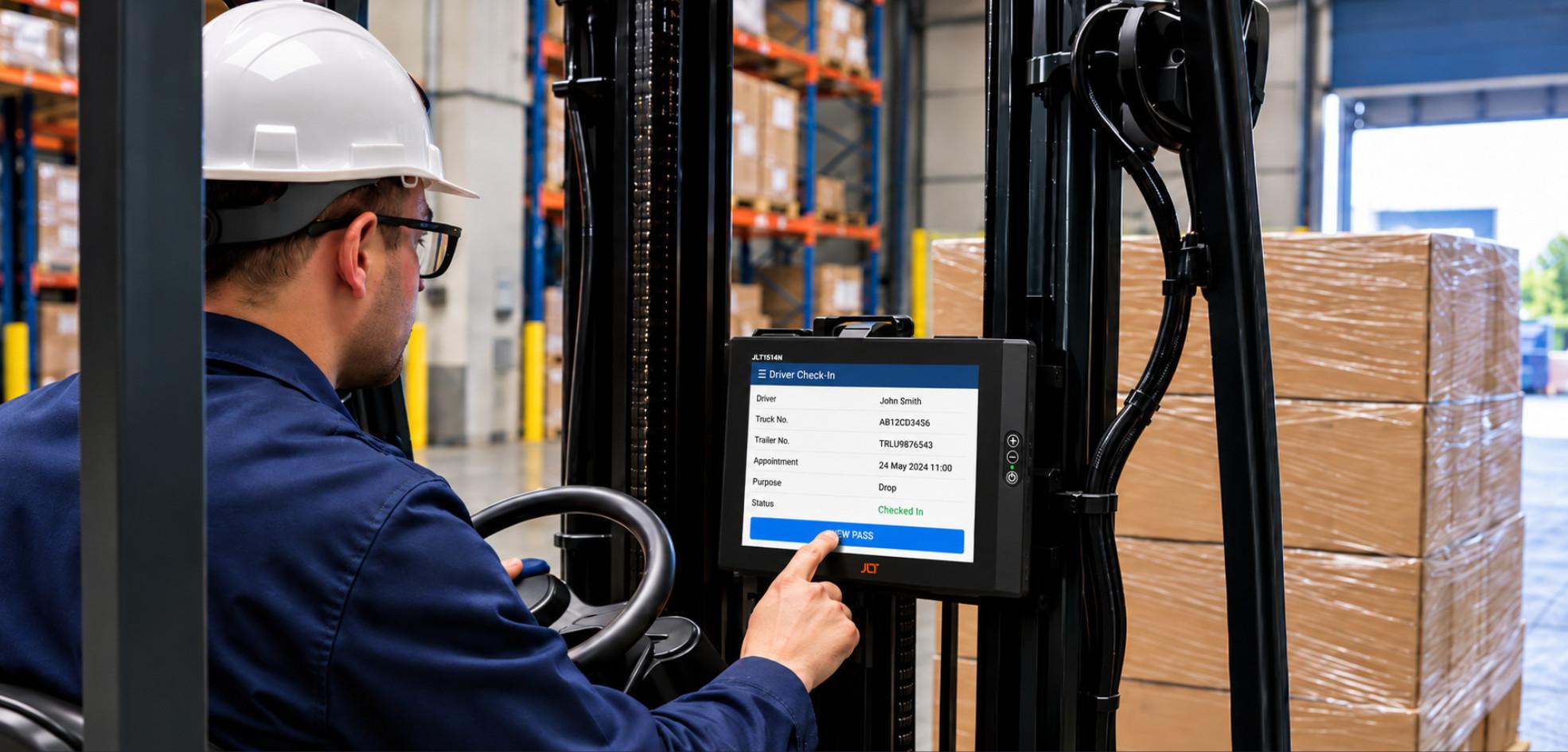
Industrial environments demand technology that can perform consistently under pressure. From extreme temperatures to constant vibration and dust exposure, standard systems often struggle to operate reliably. This is where an industrial rugged computer becomes essential for maintaining stable and efficient operations.
These systems are specifically designed to handle demanding conditions while supporting critical workflows. Whether used in manufacturing, logistics, or field operations, they provide the reliability needed to keep processes running smoothly.
As industries continue to rely on digital systems, choosing the right computing solution plays a key role in ensuring long-term operational success.
What is an industrial rugged computer?
An industrial rugged computer is a computing system built to perform reliably in demanding environments where standard devices may fail. These systems are built with durable materials and engineered to withstand exposure to dust, moisture, vibration, and temperature fluctuations.
They support a wide range of industrial applications, allowing businesses to manage operations, monitor systems, and process data without interruptions.
Their primary purpose is to deliver consistent performance in conditions where reliability is critical.
-
How is this type of computer defined?
These durable computing systems are defined by their ability to operate under challenging conditions while maintaining performance.
They typically feature reinforced enclosures, shock-resistant components, and advanced thermal management. These characteristics allow them to function reliably even in environments that would damage standard devices.
Their design focuses on longevity, stability, and minimal maintenance.
-
What industries use these systems?
These systems are widely used across industries that require dependable performance.
They are commonly found in manufacturing, warehousing, transportation, field services, port terminals, construction, and mining. In these environments, they support tasks such as process monitoring, automation, and data management.
Their adaptability makes them suitable for a variety of industrial applications.
-
How do they differ from standard computers?
The key difference lies in durability and reliability. Standard computers are designed for controlled environments, while rugged systems are built for demanding conditions.
They offer greater resistance to environmental factors and are designed for continuous operation. This ensures consistent performance without frequent failures.
Additionally, they are optimized for industrial use, supporting specialized applications and workflows.
Challenges in industrial computing
Industrial environments introduce several challenges that can affect system performance.
-
What causes system failures?
System failures often result from exposure to environmental factors such as dust, moisture, and temperature fluctuations. Such environments can affect internal parts and lead to reduced durability over time.
Using systems designed for these conditions helps prevent failures.
-
How do environmental conditions impact performance?
Extreme temperatures, vibration, and airborne particles can affect both hardware and performance. These factors can lead to overheating, reduced efficiency, and unexpected shutdowns.
Reliable systems are built to withstand these challenges and maintain performance.
-
Why is reliability critical?
Reliability ensures that operations continue without disruption. In industrial settings, downtime can lead to delays, increased costs, and reduced productivity.
Consistent performance is essential for maintaining efficient workflows.
Features to look for in industrial computing systems
Selecting the right system requires focusing on features that support demanding environments.
-
What durability standards matter?
Devices should meet recognized standards for resistance to dust, water, shock, and vibration. These certifications help demonstrate that the system can operate reliably in harsh conditions.
-
How important is thermal resistance?
Thermal management is critical for maintaining performance in extreme temperatures. Systems must operate efficiently without overheating or performance loss.
-
What performance features are required?
Industrial applications often require strong processing power and reliable memory. Systems must support demanding applications without delays.
Efficient performance ensures smooth and uninterrupted workflows.
How rugged computing systems improve operations
These systems play a key role in improving efficiency and productivity.
-
How do these computers reduce downtime?
Their durable design minimizes hardware failures, helping operations continue without interruptions. This helps maintain consistent productivity and reduces disruptions caused by equipment issues.
-
Can these systems improve workflow efficiency?
Yes. By providing stable performance and reliable data access, they help streamline processes and improve operational efficiency.
-
How do they support continuous workflows?
They are designed for continuous operation, allowing systems to run without interruption. This is essential for industries that rely on 24/7 processes.
How JLT mobile computers strengthens long-term reliability in industrial computing
JLT Mobile Computers provides solutions designed to perform in demanding industrial environments. Their systems combine durability, performance, and advanced connectivity to support critical operations.
With a focus on reliability and usability, JLT helps businesses reduce downtime, improve workflow efficiency, and maintain consistent performance.
Their solutions are widely used in industries where reliability is essential for long-term success.
Conclusion
Industrial environments require computing systems that can perform reliably under challenging conditions. Standard devices often fall short, leading to inefficiencies and operational risks.
Durable computing solutions provide the performance and stability needed to support continuous operations. By reducing downtime and improving efficiency, they help businesses maintain productivity and achieve better outcomes.
Investing in reliable systems is not just about performance—it is about ensuring long-term operational success.