
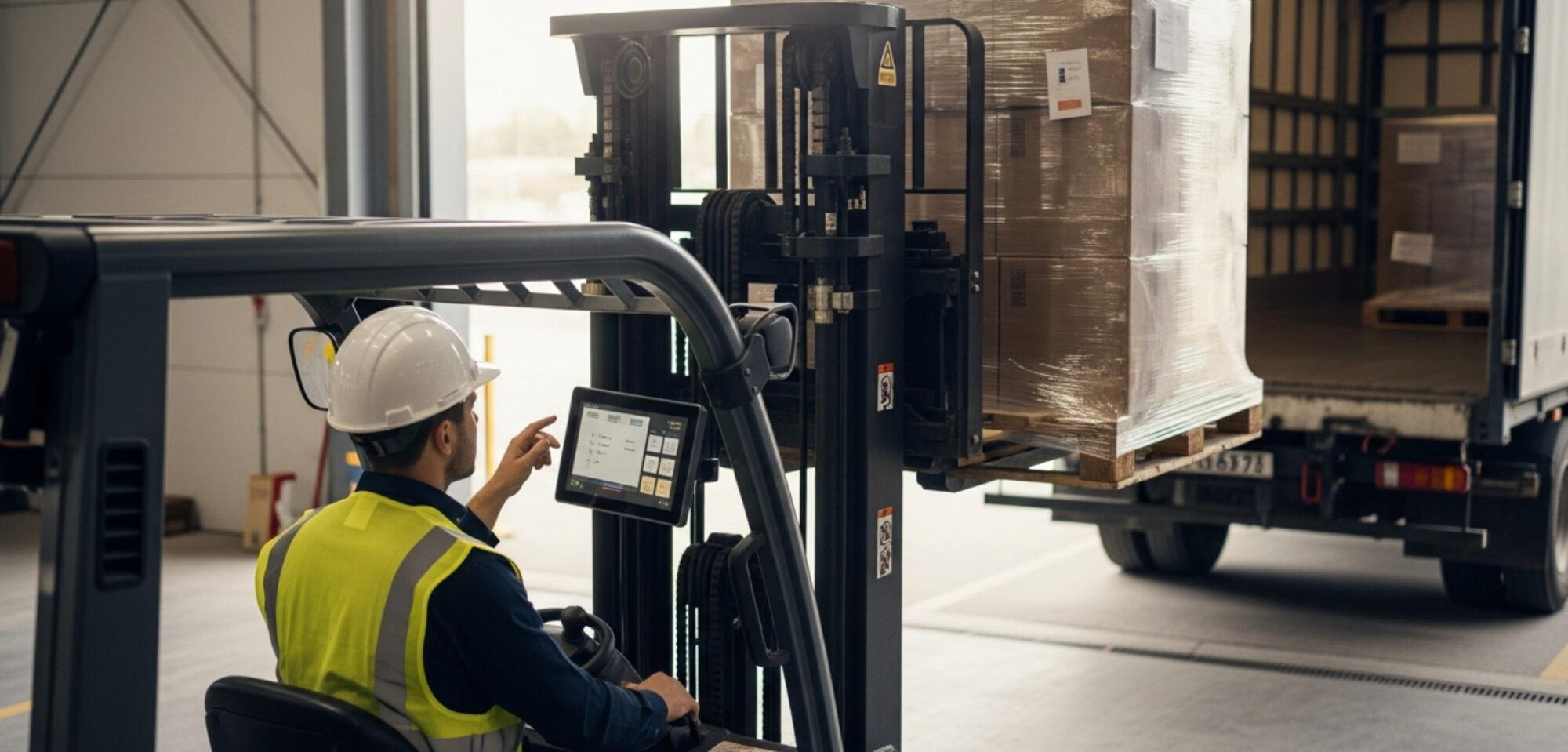
In a smart factory, decisions don’t wait. A sensor on a crane flags pressure loss before the failure hits, a driver scans a pallet from the cab, and a dashboard updates the line in seconds. None of that happens without industrial IoT devices—and none of it happens reliably without rugged computers built for the floor.
That’s the gap JLT Mobile Computers has been closing for more than 30 years—rugged vehicle-mount computers, tablets, and handhelds engineered to keep IIoT working in ports, mines, manufacturing plants, and other demanding environments. This guide walks through what industrial IoT devices are, why rugged hardware is non-negotiable, and how to plan a deployment that delivers on Industry 4.0 promises.
Understanding Industrial IoT Devices
What Are Industrial IoT (IIoT) Devices?
IIoT devices are connected, purpose-built systems—sensors, gateways, rugged computers, scanners, and tablets—that capture and act on operational data in factories, ports, mines, and other industrial sites.
How IIoT Differs from Consumer IoT
Consumer IoT optimises for price and convenience; IIoT optimises for uptime, accuracy, and durability. A smart speaker reboot is an inconvenience; an IIoT failure stops production.
The Building Blocks of an IIoT Ecosystem
Sensors and Actuators
Sensors measure temperature, vibration, and location; actuators turn digital decisions into physical action.
Gateways and Edge Devices
Gateways aggregate signals and translate protocols; edge devices run analytics locally for low-latency decisions.
Connectivity and Communication Protocols
Wi-Fi 6/6E, 4G/5G, Bluetooth, OPC UA, and MQTT keep data flowing in metal-heavy environments.
Data Platforms and Analytics
Data feeds WMS, MES, and ERP platforms, where dashboards and AI models turn measurements into decisions.
The Rise of Smart Factories and Industry 4.0
What Defines a Smart Factory Today
A smart factory connects assets, workers, and systems in real time—acting on that data to lift uptime, accuracy, and throughput. Connectivity is the entry ticket; intelligence is the goal.
Key Drivers Behind Smart Factory Adoption
Labour pressure, faster fulfilment demand, supply chain volatility, and sustainability targets are forcing operators to digitise. Smart factories are now table stakes, not a competitive edge.
The Role of OT and IT Convergence
Shop-floor OT and enterprise IT must share data seamlessly, and rugged computers sit precisely at that intersection.
Why Rugged Computers Are the Backbone of Smart Factories
The Limitations of Standard Computing in Industrial Environments
Office laptops aren’t built for industrial sites. Vibration on a forklift, dust in a sawmill, salt spray at a terminal—any one sidelines consumer hardware in weeks.
How Rugged Computers Bridge the IIoT Gap
Rugged industrial computers—like JLT’s vehicle-mount platforms, engineered for three decades—turn forklifts, reach stackers, and cranes into intelligent IIoT endpoints.
Core Capabilities That Make Rugged Devices Indispensable
Resistance to Dust, Moisture, and Vibration
IP65/IP67 sealing, hardened glass, and vibration-resistant chassis keep devices running where consumer hardware breaks. JLT’s PowerTouch™ display hardens the touchscreen—the most common failure point.
Extreme Temperature Tolerance
Wide-range operation, from cold-chain freezers to outdoor yards in the summer sun, lets a single platform deploy across the operation.
Long Operational Lifespan and Low Downtime
Rugged computers routinely stay in service 7–10+ years; some JLT customers still run devices over a decade old.
Seamless Integration with IIoT Networks
Wi-Fi 6E, 4G/5G, USB, serial I/O, Windows IoT, and Android plug rugged computers into WMS, MES, and ERP without middleware.
Categories of Industrial IoT Devices Powering Smart Factories
Vehicle-Mount Computers
Mounted on forklifts, reach stackers, and cranes, the JLT6015, JLT6012A, and VERSO series deliver real-time system access from the operator’s cab.
Rugged Tablets and Handheld Terminals
Rugged tablets and handhelds extend the IIoT’s reach beyond the vehicle for inspections, audits, and fieldwork.
Fixed-Mount Industrial Computers
Stationary endpoints at dock doors, packing stations, and QC workstations coordinate scanners, printers, and inspection workflows.
Industrial Sensors and Smart Meters
Vibration, temperature, RFID, and energy sensors generate the raw signals that the IIoT stack acts on.
Edge Computing Gateways
Edge gateways handle protocol translation and run analytics locally, keeping time-critical decisions close to the asset.
Real-World Applications of IIoT and Rugged Computers
Predictive Maintenance and Asset Monitoring
Sensor data on rugged terminals—JLT vehicle-mounts among them—helps maintenance teams act before breakdowns cost a shift.
Real-Time Production Tracking and Quality Control
On manufacturing shop floors, rugged terminals feed MES platforms with process data at every station, surfacing defects as they happen.
Industrial Automation and Inventory Management
Across manufacturing and transportation logistics, vehicle-mount computers drive real-time picking, put-away, and inventory accuracy.
Worker Safety and Operational Visibility
In-cab displays, geofencing, and proximity alerts protect operators in busy ports where vehicles and pedestrians share the same ground.
Supply Chain Synchronisation
Rugged endpoints at dock zones sync physical movement with digital records across logistics networks.
Key Benefits of Integrating Rugged Computers into IIoT Networks
Reduced Downtime and Higher Productivity
Devices keep working where standard equipment fails, pushing uptime to levels consumer hardware can’t match.
Improved Data Accuracy and Decision-Making
Capturing data at the point of work eliminates re-entry errors—cleaner inputs lead to better downstream decisions.
Lower Total Cost of Ownership
Longer life, fewer replacements, less IT overhead, and less downtime add up to meaningfully lower TCO—the economics JLT customers see across their fleets.
Scalability Across Multiple Sites
Standardising on one rugged platform turns each new rollout into a repeatable deployment.
Common Challenges in Deploying IIoT Devices and How to Overcome Them
Connectivity and Network Reliability in Harsh Environments
Metal racking and outdoor exposure disrupt wireless coverage. Multi-band Wi-Fi 6/6E, cellular failover, and strong antenna design keep devices online.
Cybersecurity Risks in Connected Factories
TPM hardware, encrypted communication, and OT/IT segmentation secure every connected endpoint.
Legacy System Integration
Rugged computers supporting modern APIs and legacy interfaces let teams modernise without a rip-and-replace.
Device Management at Scale
Centralised management, OTA updates, and long lifecycles keep large fleets predictable.
The Future of Industrial IoT and Rugged Computing
5G, Wi-Fi 6, and Private Networks in Smart Factories
Next-gen connectivity unlocks high-density sensors, real-time video, and autonomous mobile equipment—rugged devices with 5G and Wi-Fi 6E are ready.
Edge AI and Real-Time Analytics on Rugged Devices
Modern rugged platforms run AI inference locally—vision-based inspection, anomaly detection, and driver-assist alerts.
Sustainability and Energy-Efficient Industrial Computing
Long-lifecycle rugged hardware reduces e-waste, and IIoT energy monitoring supports sustainability targets now on the board’s agenda.
Choosing the Right Rugged Computing Partner for Your IIoT Strategy
What to Look for in a Rugged Hardware Provider
In-house engineering, certified durability, modern connectivity, strong security, long lifecycles, and a service team supporting global deployments.
Building Smarter Factories with Rugged IIoT Infrastructure
For 30+ years, JLT Mobile Computers has engineered rugged vehicle-mount computers, tablets, and handhelds for manufacturing, ports, transportation logistics, and mining worldwide. Talk to a specialist to plan your IIoT deployment.