
Modern industrial operations rarely fit into a one-size-fits-all technology model. Ports, transportation fleets, mining operations, outdoor logistics yards, manufacturing facilities, cold storage environments, and industrial field teams all operate with unique workflows, environmental challenges, and operational demands.
As industrial operations become increasingly connected, mobile, and data-driven, businesses now require customized rugged computers designed specifically around their operational workflows — not generic hardware built for broad industrial use.
A standard industrial computer may survive harsh environments, but that does not automatically mean it supports the realities of your operation.
For example:
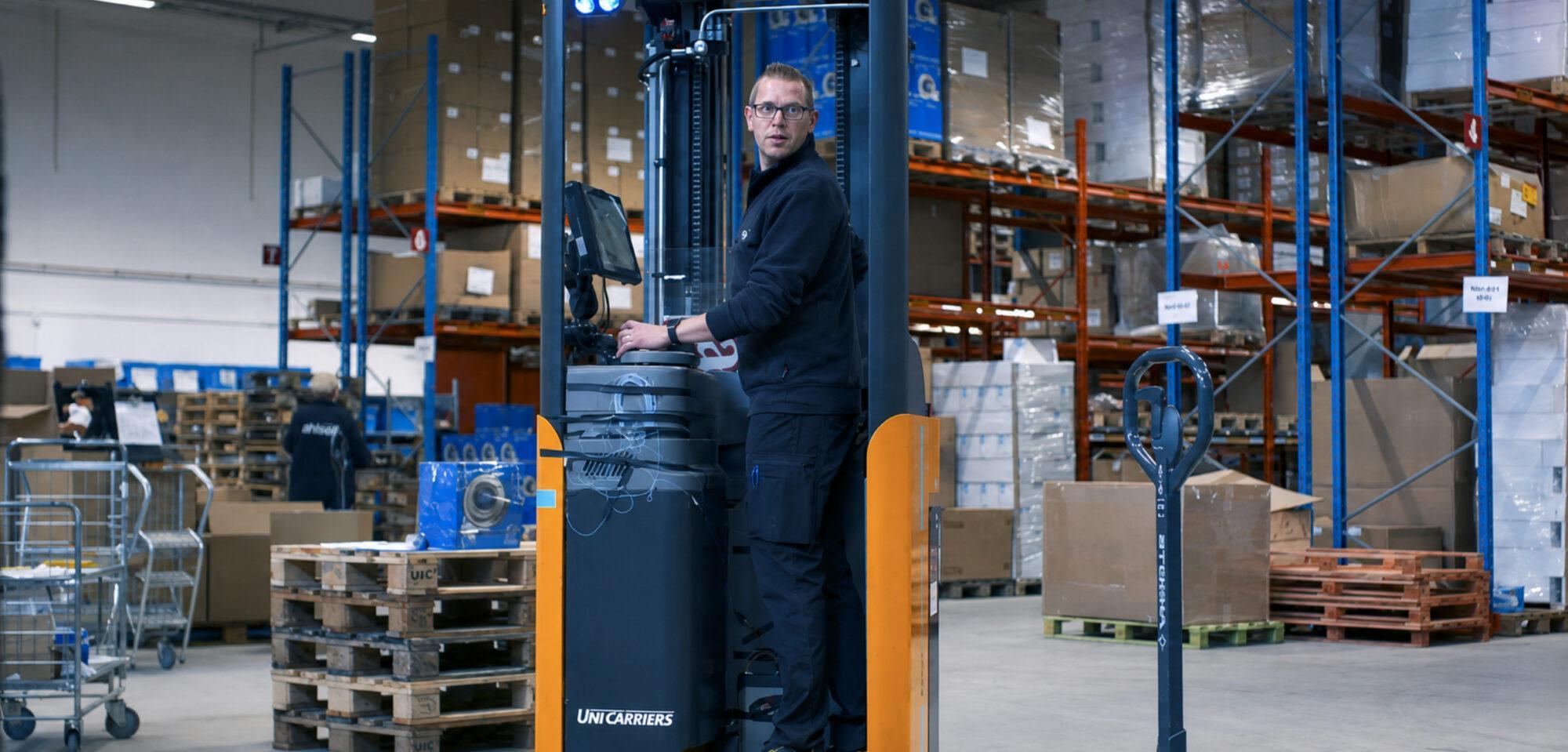
- A forklift-mounted computer in a cold storage facility requires different specifications than a rugged system installed inside a container crane.
- Mining operations demand extreme vibration resistance, sunlight readability, and long-term reliability.
- Transportation and yard management systems require stable wireless connectivity across large outdoor campuses.
- Industrial field operations often require custom mounting, advanced antenna configurations, and specialized I/O integrations.
- Outdoor logistics operations need seamless roaming between indoor and outdoor wireless networks.
This is why organizations are increasingly investing in customized rugged computing solutions aligned directly with:
- Operational workflows
- Environmental conditions
- Workforce requirements
- Connectivity infrastructure
- Vehicle and equipment integration
- Long-term operational scalability
The right customized rugged computer can help businesses:
- Reduce downtime
- Improve workflow efficiency
- Increase operational visibility
- Enhance workforce productivity
- Lower long-term hardware replacement costs
- Support industrial automation and connected operations
- Improve wireless reliability across industrial environments
Instead of forcing operations to adapt around technology limitations, customized rugged computers are designed to support the way industrial teams actually work.
Need a rugged solution built around your operational workflow?
What Are Customized Rugged Computers? (Quick Answer)
Customized rugged computers are industrial-grade computing systems specifically tailored to meet a business’s operational, environmental, connectivity, and workflow requirements.
Unlike standard off-the-shelf rugged systems, customized rugged computers can be engineered to support:
- Specific industrial workflows
- Vehicle and equipment mounting requirements
- Industry-specific software
- Private LTE/5G connectivity
- Outdoor mobility operations
- Environmental durability demands
- Specialized peripherals and integrations
These systems are commonly used in industries such as:
- Ports and terminals
- Transportation and logistics
- Mining
- Manufacturing
- Construction
- Yard management
- Industrial field services
The goal of customization is simple: create a rugged computing solution that improves operational continuity while minimizing workflow limitations.
Why Are Customized Systems Critical for Industrial Workflows?
Every industrial environment operates differently.
A rugged computer installed in a transportation fleet faces very different operational demands than a rugged system used in mining equipment or a cold storage operation.
Customized systems become critical because they help organizations:
- Align computing systems with operational workflows
- Improve worker usability and visibility
- Eliminate unnecessary hardware limitations
- Increase reliability in harsh environments
- Support long-term scalability
- Improve mobility across industrial campuses
- Maintain stable wireless connectivity
Instead of adapting workflows around generic technology limitations, businesses can deploy rugged systems engineered specifically around their operational realities.
What Makes Custom Solutions More Effective Than Standard Systems?
Standard rugged systems are designed for broad compatibility.
Customized rugged computers are engineered for operational precision.
Customized systems provide advantages such as:
- Optimized performance for industrial applications
- Better ergonomic integration
- Specialized connectivity configurations
- Enhanced environmental protection
- Improved vehicle integration
- Reduced workflow disruptions
- Better long-term operational alignment
This results in:
- Higher operational efficiency
- Lower downtime
- Reduced IT intervention
- Lower total cost of ownership
What Are Customized Rugged Computers?
Customized rugged computers are industrial computing systems specifically configured, modified, or engineered to support unique industrial environments and operational workflows.
Customization can involve:
- Hardware modifications.
- Vehicle mounting adaptations.
- Connectivity upgrades.
- Specialized peripherals.
- Environmental enhancements.
- Software integration support.
- Antenna optimization.
- Wireless infrastructure alignment.
These systems are designed to function reliably under harsh industrial conditions while supporting uninterrupted operations.
How Are They Different from Standard Rugged Systems?
Standard rugged systems provide general industrial durability.
Customized rugged computers go further by adapting directly to:
- Workflow requirements.
- Industry applications.
- Environmental conditions.
- User interaction needs.
- Vehicle installations.
- Connectivity infrastructure.
- Mobility requirements.
For example, a transportation company may require:
- Vehicle-mounted rugged systems.
- Private LTE support.
- Extended wireless coverage.
- Outdoor-readable displays.
- Seamless roaming across large sites.
A mining operation may prioritize:
- Extreme vibration resistance.
- Advanced thermal protection.
- Dust-sealed enclosures.
- High-brightness displays.
- Heavy equipment integration.
Customization ensures technology aligns directly with operational realities.
Why Do Industries Need Customized Computing Solutions?
Industrial workflows are highly specialized.
Using generic hardware often creates operational inefficiencies such as:
- Poor usability.
- Workflow delays.
- Integration limitations.
- Frequent hardware adjustments.
- Connectivity instability.
- Reduced workforce productivity.
Customized rugged computing solutions help organizations optimize operations while improving long-term reliability and operational continuity.
Where Are Customized Rugged Computers Used?
Customized rugged computers are widely used across industries where operational demands and environmental conditions vary significantly.
Industries include:
- Ports and terminals.
- Transportation and logistics.
- Manufacturing.
- Mining.
- Construction.
- Utilities.
- Industrial field services.
- Outdoor logistics operations.
How Are They Used in Ports, Yard Management, and Industrial Field Operations?
Ports and yard operations require rugged systems capable of handling:
- Outdoor weather exposure.
- Heavy vibration.
- Continuous mobility.
- Wide-area wireless communication.
- Real-time operational visibility.
- Harsh industrial environments.
Customized rugged computer support:
- Container tracking.
- Fleet coordination.
- Yard management systems.
- Dispatch operations.
- Digital inspections.
- Equipment diagnostics.
- Real-time industrial workflows.
Reliable wireless connectivity is especially important in these environments because service interruptions can halt operations across entire industrial campuses.
What Workflows Require Specialized Computing Systems?
Specialized workflows often require customized rugged systems when operations involve:
- Vehicle mounting.
- Outdoor visibility challenges.
- Extreme temperature exposure.
- Industrial automation systems.
- Mobile workforce applications.
- Real-time inventory management.
- High-vibration environments.
Examples include:
- Forklift-mounted warehouse computers.
- Port crane terminals.
- Mining vehicle systems.
- Outdoor transportation terminals.
- Cold storage computing platforms.
- Industrial field service devices.
These workflows require rugged systems engineered specifically for operational continuity.
Challenges with Standard Industrial Computing Systems
Many industrial organizations initially deploy off-the-shelf rugged systems only to discover workflow limitations later.
Even durable systems may fail to support specialized operational requirements.
Why Do Off-the-Shelf Systems Fall Short?
Off-the-shelf systems are designed for broad industrial compatibility rather than operational precision.
Common limitations include:
- Inflexible mounting configurations.
- Limited connectivity support.
- Poor workflow integration.
- Weak outdoor optimization.
- Inadequate vibration resistance.
- Limited scalability.
These limitations can reduce productivity and create operational friction.
How Do Unique Workflows Create Limitations?
Every industrial workflow has unique operational requirements.
For example:
- Transportation fleets require stable mobility across large outdoor areas
- Port operators need sunlight-readable displays and uninterrupted connectivity
- Field technicians require lightweight mobile systems
- Mining environments demand extreme environmental protection
Generic systems often fail to fully support these operational realities.
Myth vs Reality
| Myth | Reality |
| One rugged computer fits every industrial workflow | Every operation has unique environmental and workflow demands |
| Rugged hardware alone guarantees efficiency | Workflow optimization requires operational customization |
| Customization adds unnecessary complexity | Proper customization reduces long-term operational issues |
| Customized systems are too expensive | Custom systems often reduce downtime and long-term support costs |
What Are the Risks of Poor System Fit?
Poorly aligned computing systems can lead to:
- Workflow inefficiencies
- Increased downtime
- Connectivity failures
- Hardware stress
- Reduced workforce productivity
- Higher support costs
- Slower industrial workflows
In industrial environments, even small operational disruptions can impact productivity across entire operations.
Experiencing workflow limitations with standard rugged systems?
What Defines the Right Customized Rugged Computer?
The right customized rugged computer should align directly with operational workflows, environmental conditions, and long-term business goals.
Customization should improve usability without creating unnecessary complexity.
What Factors Should Be Considered Before Customization?
Important considerations include:
- Environmental conditions
- Mounting requirements
- Connectivity infrastructure
- Worker usability
- Software compatibility
- Temperature exposure
- Wireless network coverage
- Vehicle integration
- Long-term scalability
Organizations should evaluate both current operational needs and future expansion requirements before customization.
How Do You Align Systems with Operational Needs?
Successful customization begins with workflow analysis.
Businesses should assess:
- How workers interact with devices
- Where systems will operate
- Which environmental risks exist
- What applications are mission-critical
- Which connectivity challenges occur daily
- How mobility impacts productivity
Customized rugged computers should support workflows naturally instead of forcing workers to adapt around technology limitations.
Customized Rugged Computers: How Do Solutions Compare?
Not all rugged computing solutions provide the same level of operational alignment.
Understanding the difference between standard and customized systems is essential.
How Do Standard vs Customized Systems Differ in Performance?
| Feature | Standard Rugged Systems | Customized Rugged Systems |
| Workflow Optimization | Limited | High |
| Mounting Flexibility | Standardized | Tailored |
| Industry Integrations | Basic | Advanced |
| Environmental Adaptation | General | Specific |
| Connectivity Optimization | Limited | Advanced |
| Long-Term Scalability | Moderate | Strong |
| Operational Efficiency | Moderate | High |
Customized rugged systems are optimized for operational continuity and workforce productivity.
What Are the Trade-Offs Between Flexibility and Cost?
Customized solutions may involve a higher upfront investment compared to standard systems.
However, organizations often achieve long-term savings through:
- Reduced downtime
- Fewer hardware replacements
- Lower IT intervention
- Improved worker productivity
- Better workflow efficiency
- Reduced support costs
The total cost of ownership is frequently lower when systems are properly aligned with operational demands.
What Can Be Customized in Rugged Computers?
Modern rugged computing platforms can be customized extensively to support industrial requirements.
What Hardware Components Can Be Modified?
Customization options include:
- Processors and memory
- Storage configurations
- Wireless modules
- GPS integration
- Barcode scanners
- Touchscreen technology
- Battery systems
- Specialized I/O ports
- Antenna configurations
These modifications help optimize performance for demanding industrial workflows.
How Does Form Factor and Mounting Adapt to Use Cases?
Different industries require different physical configurations.
Customization options include:
- Vehicle-mounted systems
- Forklift-mounted computers
- Compact mobile devices
- Fixed industrial terminals
- Outdoor mounting solutions
- Crane-mounted installations
Mounting flexibility is especially important in transportation, ports, and industrial mobility environments.
What Industry-Specific Integrations Are Required?
Industrial workflows often require integration with:
- Warehouse management systems
- Fleet management platforms
- ERP systems
- Industrial automation software
- Barcode scanning infrastructure
- RFID systems
- Transportation management platforms
Customized rugged systems improve operational efficiency through seamless integration across industrial workflows.
Need a rugged computing solution tailored to your workflow?
Benefits of Customized Rugged Computing Solutions
Customized rugged computers provide operational advantages that standard systems often cannot achieve.
How Do They Improve Efficiency?
Customized systems improve efficiency by:
- Reducing workflow friction
- Improving usability
- Supporting real-time operations
- Enhancing mobility
- Improving connectivity reliability
- Streamlining worker interaction
When systems align naturally with industrial workflows, productivity improves significantly.
Can They Reduce Downtime and Errors?
Yes. Properly customized rugged systems reduce:
- Hardware-related downtime
- User errors
- Connectivity disruptions
- Workflow interruptions
- Operational bottlenecks
Reliable systems help maintain uninterrupted operations even in harsh industrial environments.
How Do They Support Long-Term Operations?
Customized rugged computers support long-term industrial operations through:
- Better scalability
- Longer hardware lifecycle
- Improved upgrade flexibility
- Reduced replacement costs
- Stronger operational reliability
- Future-ready wireless infrastructure
Industrial organizations benefit from rugged systems designed around long-term operational continuity rather than temporary generic deployments.
How JLT Provides Tailored Rugged Computing Solutions
JLT Mobile Computers specializes in rugged computing solutions designed specifically for harsh industrial environments and complex operational workflows.
Rather than offering generic rugged hardware alone, JLT focuses on delivering rugged mobility platforms engineered around real-world industrial applications.
JLT solutions are widely used across:
- Ports and terminals
- Transportation and logistics
- Manufacturing
- Mining
- Outdoor industrial operations
- Cold storage
- Industrial field mobility
JLT rugged systems are engineered to withstand:
- Extreme temperatures
- Moisture exposure
- Heavy vibration
- Dust contamination
- Outdoor industrial use
- Continuous operational workloads
What differentiates JLT is its ability to align rugged computing technology directly with operational realities.
Key advantages include:
- Industry-specific customization
- Reliable wireless connectivity
- Sunlight-readable displays
- Flexible mounting solutions
- Long-term durability
- Enterprise-grade performance
- High-vibration reliability
- Rugged engineering from the inside out
By understanding industrial workflows deeply, JLT helps organizations deploy rugged computing systems that improve productivity, reduce downtime, and support long-term operational growth.
Looking for a rugged computing solution tailored to your industrial workflow?