
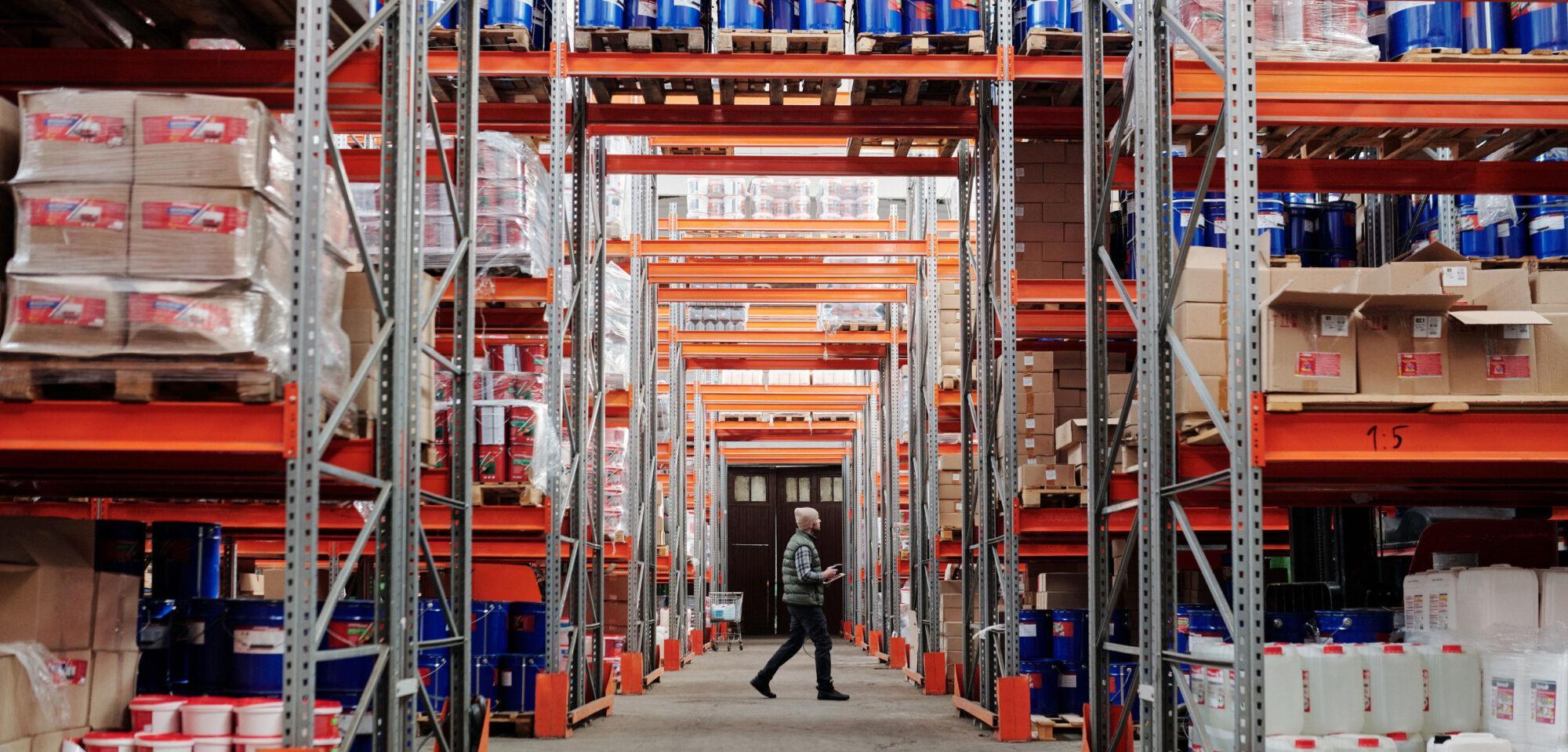
Modern industrial operations rely on continuous mobility, instant access to operational data, and dependable connectivity to keep workflows running efficiently. Whether it’s a busy port terminal, a mining vehicle, a transportation yard, a cold storage facility, or a large outdoor logistics campus, even a short technology failure can stall workflows, delay operations, and drive up running costs.
This is why site managers and operations leads are directing more capital toward rugged tablets purpose-built for mission-critical settings — places where normal consumer hardware simply cannot last.
The best rugged tablet is not simply the device with the toughest exterior. It is the one that combines:
- Industrial-grade durability
- Dependable wireless connectivity
- Stability across years of deployment
- High-performance computing
- Outdoor usability
- Live data on the move
- Low total cost of ownership
Rugged tablets have shifted from useful accessories to core infrastructure on connected sites. As organisations push digital transformation programs forward, rugged mobility has become central to:
- Live visibility into daily operations
- Automation on the plant floor
- Connected work in the field
- Fleet-wide mobility
- Yard management
- Edge computing
- Industry 4.0 workflows
For any operation running in harsh conditions, the device choice feeds directly into:
- Output per worker
- Hours lost to downtime
- Uninterrupted running
- Speed of on-site communication
- Worker safety
- Running costs over the device lifetime
This guide covers what makes the best rugged tablet, the settings these devices work in, the specifications that carry the most weight, and how JLT Mobile Computers keeps performance steady where conditions are worst.
What Is the Best Rugged Tablet for Industrial Use? (Quick Answer)
The best rugged tablet for industrial use holds up under challenging conditions while keeping connectivity, usability, and uptime intact across years in service.
Across ports, transportation, mining, manufacturing, cold storage, outdoor logistics, and fieldwork, look for:
- MIL-STD-810H certified durability
- IP65 sealing or better
- A display readable in direct sun
- Touch response through gloves and in wet conditions
- Battery that lasts a full shift
- High-performance processing
- A wireless link that holds
- Tolerance for impact, shaking, damp, and temperature swings
- Steady operation on vibrating equipment
Buyers lean toward fully rugged models for a straightforward reason: they keep running in conditions that knock out consumer hardware again and again.
JLT Mobile Computers builds specifically for these conditions. Its rugged tablets take on damp, airborne dust, constant shaking, repeated knocks, sub-zero cold, and long outdoor shifts without slowing the work.
What Makes a Rugged Tablet the Right Call in Challenging Conditions?
Rough sites demand far more than basic mobility. Hardware has to keep working through:
- Constant shaking
- Open-air exposure
- Heavy equipment movement
- Damp and dust
- Sub-zero cold
- Shifts that run long
The best rugged tablets are built with:
- Reinforced chassis and shock protection
- Industrial-grade internal components
- Ports sealed against water and dust ingress
- Vibration-resistant architecture
- Bright screens for outdoor light
- Advanced thermal management systems
- Internal design with fewer things to go wrong
Take an operator at a port, a freight yard, or a mine site. Much of the shift happens outdoors, moving between vehicles, cranes, loading bays, and machinery. The screen has to stay legible, the touch has to respond, and the connection has to hold. That is where industrial-grade rugged tablets pull well ahead of consumer alternatives.
Which Specifications Carry the Most Weight on Site?
On working sites, uptime counts for more than styling. The specifications that matter:
- Processors quick enough for demanding applications
- Solid Wi-Fi alongside private LTE/5G
- A signal that holds across wide outdoor sites
- Built-in barcode scanning
- Hot-swappable batteries
- Data syncing as it is captured
- Touchscreens that survive rough handling
- Roaming handover without dropping the link
JLT builds its rugged tablets around industrial mobility workflows, pairing strong wireless performance and processing power with hardware built to last, so operations keep moving at ports, in freight, on production lines, and across outdoor logistics sites.
What Is a Rugged Tablet?
A rugged tablet is a mobile computer built to work dependably in extreme industrial settings, outdoors, and on equipment that vibrates.
Where a consumer tablet gives out, a rugged one is built to come through:
- Regular knocks and falls
- Heavy shaking
- Airborne dust
- Water and spray
- Extreme heat or cold
- Continuous movement around a site
These devices are standard across sectors where a stoppage costs more than the hardware ever could.
How Is Ruggedness Actually Measured?
Classification rests on whether a device passes recognised military and industrial durability tests:
- MIL-STD-810H for shock, vibration, and environmental resistance
- IP65/IP67 covering dust and water ingress
Fully rugged models are put through:
- Repeated drop cycles
- Temperature cycling
- Humidity chambers
- Vehicle vibration
- Mechanical shock
- Outdoor weathering
Passing these tests is what backs the claim that a device will keep running on a difficult site.
How Does It Compare With a Consumer Tablet?
Consumer models are built around convenience and desk use. Rugged models are built around staying in service. The difference is evident in every feature that matters most in the field:
| Consumer Tablets | Rugged Tablets |
| Exposed glass construction | Strengthened industrial chassis |
| Minimal weather protection | Sealed against water and particles of dust |
| Washes out in daylight | Legible in direct sun |
| Touch fails when wet or gloved | Works through gloves and moisture |
| Breaks under impact | Absorbs knocks and drops |
| Short service life | Years of industrial use |
| Poor tolerance for shaking | Holds up to sustained vibration |
One cracked consumer screen can stop a workflow cold. A rugged tablet is designed to carry on after the knock, through the shaking, and despite what the weather does.
Where Are Rugged Tablets Used?
These devices are now standard wherever mobility, toughness, and an unbroken connection all have to coexist. Sectors that depend on them:
- Ports and container terminals
- Transport and logistics
- Mining
- Construction
- Manufacturing
- Cold storage
- Field service teams
- Utilities
- Outdoor industrial sites
How Are Rugged Tablets Used in Ports, Yard Management, and Transportation?
Port and freight environments put hardware up against:
- Salt air
- Heavy vibration
- Outdoor weather
- Continuous vehicle movement
- Coverage needed across a wide area
- Screens washed out by sun
Operators use them to handle:
- Container tracking
- Fleet coordination
- Yard stock counts
- Dispatch as jobs come in
- Driver contact
- Paperless inspections
- Outdoor logistics tasks
Wireless coverage is particularly critical here, because one dropped connection can bring an entire site to a standstill.
How Do They Aid Cold Storage, Construction, and Mining?
Freezer stores and mine sites rank among the most difficult settings for computing hardware. Devices there face:
- Sub-zero air
- Condensation forming on surfaces
- Dust working its way inside
- Heavy vibration
- Repeated impact
- Outdoor exposure
JLT designs specifically for this, holding performance steady where off-the-shelf hardware tends to fail within weeks.
On construction and mine sites, rugged tablets handle:
- Pulling up drawings and plans
- Machine diagnostics
- Safety checks
- Contact across the site
- Field reports
- Real-time insight into site activities
What Tasks Do They Support in Industrial Workflows?
The range covers most mission-critical work on site:
- Stock tracking
- Asset management
- Paperless inspections
- Fleet monitoring
- Maintenance logs
- Analytics as data arrives
- Proof-of-delivery workflows
- Field reports from site
Because the device travels with the worker, information goes in and comes back out on the spot rather than waiting on paperwork later.
Challenges in Industrial and Field Environments
Working sites put severe strain on computing hardware. Consumer failure rates climb sharply once devices leave the office.
How Do Vibration, Drops, and Weather Affect Hardware?
Repeated shock and vibration wear the electronics down from the inside. What tends to fail first:
- Screens giving out
- Internal connections working loose
- Damaged ports
- Battery degradation
- System instability
Outdoor conditions add further risk:
- Rain exposure
- Dust contamination
- Temperature swings
- Condensation
- Heat stress
Purpose-built rugged construction is what keeps these failure points in check.
Why Do Standard Tablets Break Down in Tough Conditions?
They were not built for this kind of workload. Common weak points:
- Fragile screens
- Weak structural frames
- Limited sealing
- Poor thermal resistance
- Limited battery endurance
- Low vibration tolerance
Myth vs Reality
| Myth | Reality |
| A rugged case on a consumer tablet is sufficient protection | The case does nothing for the internal components, which still break down under sustained shaking and environmental exposure |
| Rugged tablets are heavy and awkward to carry | Current designs are light and comfortable to use through a full shift |
| A tough exterior means slower performance | Industrial models now match enterprise hardware for processing speed |
| The upfront price is hard to justify | Fewer stoppages and longer hardware life recover the difference over time |
Repeated failures interrupt work and push support costs up.
What Is the Cost of Downtime in Operations?
Downtime is one of the most expensive hidden costs across industrial sites. A failed device can trigger:
- Delayed shipments
- No clear picture of what is moving
- Workers standing idle
- Communication breaking down
- Jobs stalling mid-process
- Machinery sitting unused
At ports, freight hubs, and outdoor logistics sites, even a brief interruption drags throughput and site efficiency down across the board.
This is why many buyers accept a higher purchase price for rugged mobility. Reliability over the long run brings total running costs down significantly.
What Defines the Best Rugged Tablet?
The best rugged tablet strikes a balance between toughness, ease of use, wireless performance, and processing. Judge candidates against the conditions on your own site rather than against consumer spec sheets.
What Factors Matter Most in Industrial Use?
Work through:
- Durability certifications
- Processing power
- Screen legibility outdoors
- Battery dependability
- Wireless coverage
- Handling and comfort
- Operating system fit
- Support across the product lifecycle
- Tolerance for shaking
Devices also need to sit alongside existing industrial software, transport systems, fleet tools, and enterprise mobility platforms.
How Do Performance and Durability Compare?
Some rugged devices focus heavily on protection while sacrificing usability or performance. The best rugged tablets refuse that trade.
JLT builds for survival and for output at the same time, through:
- Quick processors
- A wireless link that holds
- Screens readable in full sun
- Light, comfortable builds
- Software tuned for industrial workflows
- Consistent output on equipment that vibrates
The combination keeps people working without interruption.
Best Rugged Tablet: How Do Top Options Compare?
Protection and reliability vary widely between models. Knowing where entry-level ends and fully rugged begins matters before committing to a purchase.
What Separates Entry-Level vs Fully Rugged Tablets?
Entry-level models cover the basics for drops and dust but usually go without:
- Higher-grade environmental sealing
- Support at temperature extremes
- Resistance to industrial vibration
- Design tuned for outdoor mobility
- A long service life
Fully rugged units are purpose-built for mission-critical work and tested for:
- Impact resistance
- Tolerance for shaking
- Water ingress protection
- Dust exclusion
- Thermal endurance
- Dependability outdoors
That makes them the right fit for transport, ports, mining, field service, and industrial mobility operations.
How Do They Hold Up in Practice?
Performance in the field comes down to how well a device suits its surroundings:
- At a container terminal, the screen has to stay readable in full sun
- In freight, the connection has to hold across a wide outdoor site
- At a mine, the unit has to take shaking and dust
- In cold storage, it has to work below freezing
JLT designs against these exact scenarios. What that delivers:
- Screens readable in direct sun
- Anti-glare treatment
- Strong wireless performance
- MIL-STD vibration resistance
- Light build that handles well
- A long working life
Together they keep work flowing and output up.
Features to Look for in the Best Rugged Tablet
Selecting the best rugged tablet requires focusing on the capabilities that get the work done efficiently.
What Durability Standards Are Essential?
The certifications that count:
- MIL-STD-810H
- IP65/IP67 ratings
Between them they confirm resistance to:
- Drops
- Moisture
- Dust
- Vibration
- Temperature extremes
Never skip the durability evidence when comparing options.
How Important Is Screen Visibility Outdoors?
A screen you have to shade with your hand slows every task and wears people out. For anyone working outside, display quality is non-negotiable.
JLT panels use IPS LED technology with:
- Direct optical bonding
- Anti-glare treatment
- Readability in direct sun
That holds up across:
- Outdoor logistics yards
- Ports and terminals
- Freight hubs
- Construction sites
- Industrial plants
Glove-friendly touch adds to the picture.
What Battery Life Is Required for Field Work?
Field shifts often run long with nowhere convenient to charge. Look for:
- Enough charge to last a full shift
- Hot-swap battery options
- Dependable output in the cold
- Efficient power management
This weighs heaviest in transport, field service, and outdoor work.
What Connectivity Options Are Critical?
A dropped link can stall an entire workflow. Look for support for:
- Wi-Fi 6
- 4G/5G connectivity
- Bluetooth
- GPS
- Enterprise roaming
- Private LTE compatibility
Strong wireless coverage is what keeps teams mobile across large sites and open ground.
Need a rugged tablet with dependable connectivity and industrial-grade build quality?
How Rugged Tablets Improve Industrial Workflows
Hardware reliability reduces downtime by cutting down on:
-
- Device failures
- Repair frequency
- Connectivity interruptions
- Battery-related stoppages
A longer hardware life keeps operations running on difficult sites and cuts replacement spending considerably.
Can They Improve Field Productivity?
Yes. The gain comes from letting people:
- Reach operational data on the spot
- Record information as it happens
- Stay in contact without friction
- Work through processes on screen
- Keep moving across a large site
JLT supports that through:
- A live view of what is happening across the operation
- Integration with central systems
- Wireless that holds outdoors
- Quicker communication on site
- Consistent output in difficult conditions
How Do They Support Real-Time Operations?
Live visibility underpins most current industrial work. Rugged tablets handle:
- Live stock counts
- Fleet coordination
- Machine diagnostics
- Immediate reporting
- Contact from the field
- Analytics on live data
Tied into enterprise systems, they keep data aligned across teams, vehicles, and processes.
How JLT Delivers High-Performance Rugged Tablets
JLT Mobile Computers has made its name building rugged mobility for genuinely difficult industrial settings. Rather than covering every market thinly, the company concentrates on dependability across sectors including:
- Ports and terminals
- Transport and logistics
- Mining
- Manufacturing
- Outdoor industrial operations
- Cold storage
- Field service
Its tablets are built for:
- Temperature extremes
- Moisture
- Dust
- Sustained shaking
- Work in the open
- Regular knocks
Each unit goes through MIL-STD testing so it stays in service for years on equipment that vibrates constantly.
What sets the company apart is rugged engineering paired with strong connectivity and usability designed around the operator. That shows up as:
- Light designs that handle well
- Strong processing
- Screens readable in direct sun
- A wireless link that holds
- Glove-friendly touch
- A long working life
- Toughness built in from the core outward
Demanding sites need more than durable hardware. They need mobility platforms that keep operations running, connect workflows, and show what is happening as it happens. That is where JLT earns its place.
If uptime and mobility decide how your site performs, investing in the best rugged tablet is more than an IT purchase. It is an operational decision that shows up in output, continuity, and cost over years.
Ready to improve operational continuity with rugged industrial mobility solutions?